Top 5 High-Demand Products to Export from India in 2026
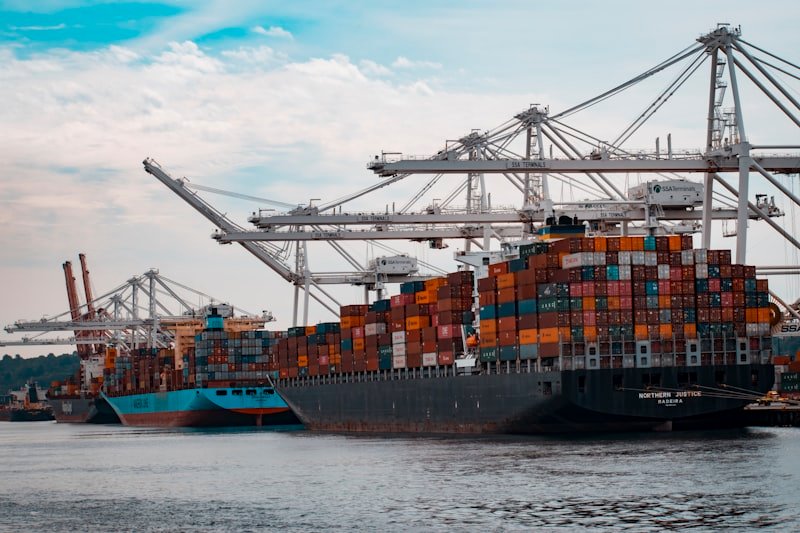
In 2026, the most profitable export opportunities from India include Organic Superfoods (Moringa, Millets), Sustainable Packaging (Areca leaf plates), Engineering Auto Components, Technical Textiles, and Specialty Chemicals. These sectors offer high global demand, strong government incentives, and excellent margins for MSME exporters.
The Shifting Global Trade Landscape
India's export ecosystem is evolving rapidly. While traditional bulk commodities like rice and iron ore remain strong, the real profit margins for MSMEs and startup exporters lie in value-added, niche products. Driven by global supply chain diversification (the "China Plus One" strategy) and a worldwide shift towards sustainability, here are the top 5 product categories primed for explosive export growth in 2026.
1. Organic Food, Millets & Superfoods
The global wellness boom continues to accelerate. Western consumers are increasingly shifting towards plant-based, organic diets.
- Key Products: Millets (Sorghum, Pearl Millet), Moringa powder, Turmeric (Curcumin extracts), Ashwagandha, and organic spices.
- Target Markets: USA, Germany, UK, UAE.
- The Advantage: India is the largest producer of millets globally. Value addition—such as exporting millet-based ready-to-eat snacks rather than raw grain—multiplies profit margins significantly.
2. Sustainable Packaging & Eco-Friendly Goods
With massive legislative crackdowns on single-use plastics across the European Union and North America, buyers are desperately sourcing biodegradable alternatives.
- Key Products: Areca palm leaf plates, bamboo toothbrushes, jute shopping bags, coir-based erosion control mats, and bagasse (sugarcane) tableware.
- Target Markets: EU countries, Canada, Australia.
- The Advantage: These products leverage India's abundant agricultural waste, turning zero-value byproducts into high-value export commodities with excellent ESG (Environmental, Social, and Governance) appeal to foreign corporate buyers.
3. Precision Engineering & Auto Components
The "China Plus One" strategy has heavily benefited India's engineering sector. Global manufacturers are actively diversifying their sourcing hubs for industrial parts.
- Key Products: Forged and cast metal parts, CNC machined components, tractor parts, and EV (Electric Vehicle) sub-assemblies.
- Target Markets: Germany, USA, Mexico, Japan.
- The Advantage: Once a buyer approves your technical samples, engineering exports tend to result in highly stable, multi-year contracts with very low churn rates.
4. Technical Textiles
Move beyond standard t-shirts and bedsheets. Technical textiles are functional fabrics designed for specific industrial or medical applications.
- Key Products: Medical gowns, geotextiles (for road construction), agro-textiles (crop protection nets), and fire-retardant fabrics.
- Target Markets: USA, Middle East, Europe.
- The Advantage: Less susceptible to fast-fashion trends. The Indian government is heavily pushing this sector through PLI (Production Linked Incentive) schemes, offering great support for manufacturers.
5. Specialty Chemicals & APIs
India has firmly established itself as the pharmacy of the world, but the underlying chemical sector is also booming as buyers seek alternatives to Chinese chemical hubs.
- Key Products: Active Pharmaceutical Ingredients (APIs), agrochemicals, food preservatives, and cosmetic ingredients.
- Target Markets: Latin America, Africa, Eastern Europe.
- The Advantage: Extremely high value-to-volume ratio, making logistics highly cost-effective.
How to Choose Your Product
Don't just pick a product because it's on a list. Choose a product based on your geographical location (what is manufactured near you?), your budget, and your background knowledge. If you need personalized help selecting a product, book a strategy call with our Growth Mentorship program.
Frequently Asked Questions (FAQ)
Can I export multiple products at the same time?
Yes, your IEC allows you to export any legal product. However, we strongly advise against it for beginners. Focus on mastering one product category, understanding its quality parameters, and building a buyer network before diversifying.
Do I need an APEDA license to export organic foods?
Yes, if you are exporting scheduled agricultural products, you must register with APEDA to obtain your RCMC (Registration-cum-Membership Certificate). For organic claims specifically, you also need NPOP certification (India Organic).
Are there any products banned for export from India?
Yes. The DGFT maintains a restricted and prohibited list. Items like rare wildlife, certain wood varieties (like Red Sandalwood), specific pulses, and historical artifacts are strictly prohibited or require special quota licenses.
Ready to apply this knowledge?
Stop reading and start doing. Take our 2-minute Export Readiness Quiz to find out exactly what your next step should be.