How to Find Reliable Suppliers for Export in India
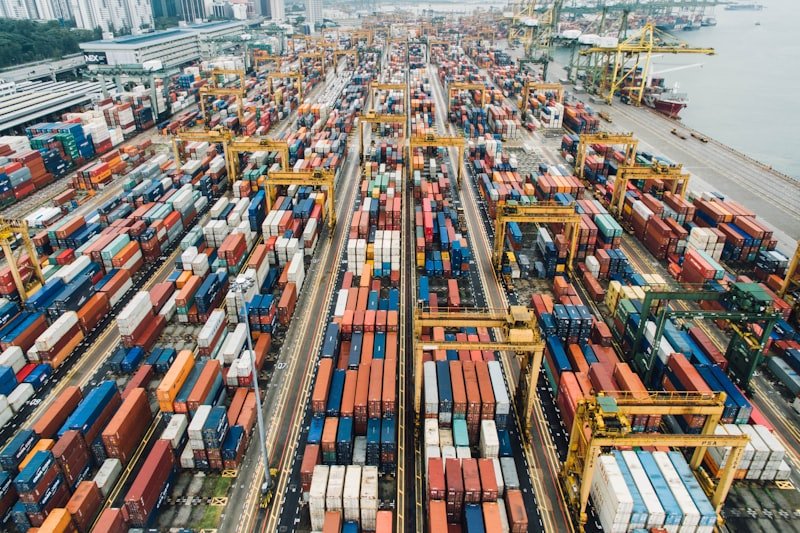
Finding reliable suppliers in India requires looking beyond Google. Use Government Export Promotion Council (EPC) directories, conduct mandatory physical factory visits, demand extensive product sample testing, and leverage third-party inspection agencies like SGS to ensure consistent export-quality manufacturing.
The Importance of a Solid Supply Chain
In the export business, your reputation with foreign buyers is entirely dependent on the quality of goods produced by your supplier. A reliable supplier is the backbone of any successful merchant export business. If they delay production, cut corners on quality, or fail to package items securely, you will bear the financial and reputational loss. Here is our proven, step-by-step strategy for sourcing high-quality products in India.
Step 1: Look Beyond Basic Search Engines
The best manufacturers in India often have terrible websites or no online presence at all. Instead of relying solely on Google or IndiaMART, use targeted industry resources:
- Export Promotion Councils (EPCs): Government bodies like APEDA (for agriculture), AEPC (for apparel), or CLE (for leather) maintain directories of registered, verified manufacturers who already meet export standards.
- Industry Specific Trade Clusters: India operates in manufacturing hubs. If you want knitwear, go to Tirupur. If you want leather, go to Ambur or Kanpur. If you want brassware, go to Moradabad. Sourcing directly from these geographical clusters guarantees better pricing and expertise.
- Trade Fairs: Attend domestic B2B trade shows (like the India International Trade Fair or specific sector expos). Meeting factory owners face-to-face accelerates the trust-building process.
Step 2: The Physical Verification (Mandatory)
Never place a large commercial export order without physically visiting the factory. A slick website can hide a crumbling infrastructure.
- Check Production Capacity: Can they actually produce the volume your buyer needs within the deadline?
- Check Quality Control: Do they have a dedicated QC process, or do they just pack whatever comes off the line? Are their factory conditions compliant with international labor standards (which many EU/US buyers strictly require)?
- Check Inventory: Do they hold raw materials, or do they only buy when you pay them an advance?
Step 3: Sample Testing and Prototyping
Always order samples before committing to a main shipment. Do not settle for the "golden sample" (a perfect prototype that doesn't represent bulk production).
- Test the samples for durability, finish, and compliance with the destination country's regulations (e.g., FDA standards for the US, CE marking for Europe).
- Pay for the sample. Suppliers take you much more seriously if you are willing to pay for product development and courier charges.
Step 4: Secure the Contract and Inspections
Once you select a supplier, tie them down with a strict sourcing contract. Most importantly, integrate third-party inspections into your process.
- Hire agencies like SGS, Intertek, or Bureau Veritas to conduct a Pre-Shipment Inspection (PSI) at the factory before the goods are loaded into the container.
- Make it clear to the supplier: "Final payment will only be released after the third-party inspection report confirms the goods meet the exact specifications of the Proforma Invoice."
Building a reliable supply chain takes time. If you need verified supplier contacts in specific industries, our Cross Border Brothers Community actively shares verified manufacturer leads.
Frequently Asked Questions (FAQ)
Should I tell the supplier I am exporting the goods?
Yes. Many new exporters try to hide this, fearing the supplier will steal the buyer. However, telling them ensures they use export-quality packaging and provide necessary certifications (like fumigation certificates for wooden pallets) which are mandatory for customs.
What payment terms should I offer an Indian supplier?
Standard practice for new relationships is 30% to 50% advance to start production, and the balance against the final inspection report, just before the goods are dispatched from their factory.
How do I stop the supplier from bypassing me and contacting the buyer directly?
Use a Non-Circumvention, Non-Disclosure Agreement (NCNDA). More practically, never share your foreign buyer's details with the supplier. The shipping marks on the boxes should be neutral, and the Bill of Lading should be carefully managed by your freight forwarder.
Ready to apply this knowledge?
Stop reading and start doing. Take our 2-minute Export Readiness Quiz to find out exactly what your next step should be.